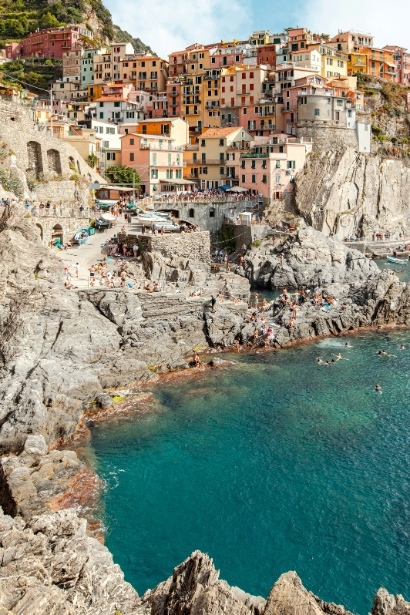
ummer changes how Europe is experienced. Cities come alive, days stretch and time begins to organize itself differently. The pace shifts, and where you stay begins to shape how everything unfolds. Across Central and Southern Europe, certain hotels continue to stand apart for how closely they’re tied to their surroundings. Some have been part of the story for generations, others reflect a more current way of traveling, but all offer a clear point of view on where they are.
Hotel Sacher Vienna
Vienna, Austria
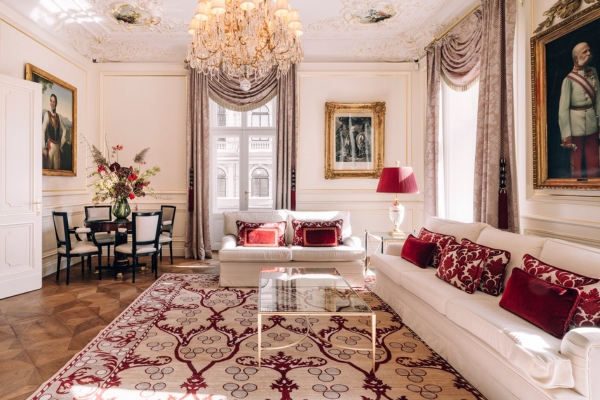
Opposite the Vienna State Opera, Hotel Sacher remains one of the city’s most recognizable addresses. Interiors reflect a continuity of style rather than reinvention, and its café remains a daily fixture for visitors and locals alike.
It is best experienced alongside Vienna’s cultural calendar, where evenings are built around performance, with a return to something that feels as vibrant as the city.
Hotel Imperial, Vienna
Vienna, Austria
Originally built as a palace on the Ringstrasse, Hotel Imperial retains its sense of ceremony. Marble staircases, high ceilings and attentive service define the stay, with a level of formality that feels specific to Vienna rather than staged.
It suits travelers drawn to the city’s imperial history, where the setting reflects the scale and character of its past.
Rosewood Vienna
Vienna, Austria
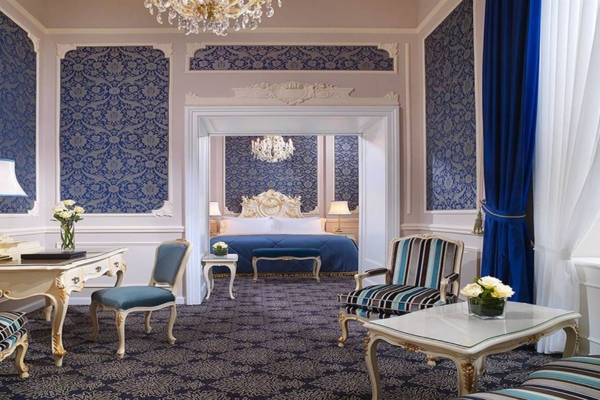
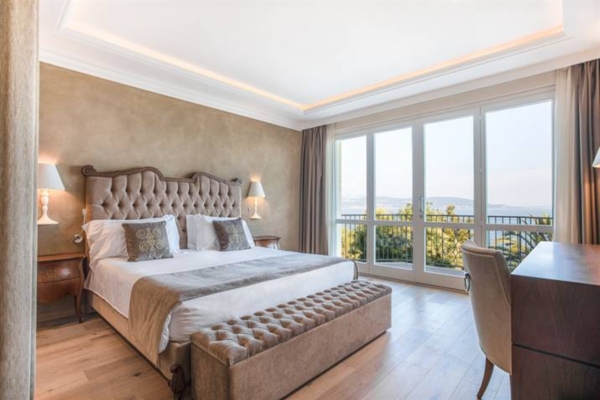
Set just off Petersplatz, Rosewood Vienna offers a more contemporary interpretation of the city. The building itself is historic, but the atmosphere leans toward how Vienna exists now, with a stronger connection to its dining and art scene.
The rooftop terrace has quickly become one of the city’s most in-demand settings in summer, particularly in the early evening.
Falkensteiner Schlosshotel Velden
Velden am Wörthersee, Austria
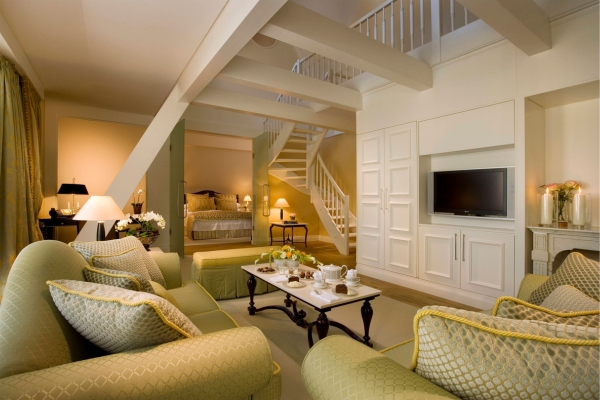
On the shores of Lake Wörthersee, Falkensteiner Schlosshotel Velden is shaped almost entirely by its setting. The lake defines the pace of the day, from morning swims to leisurely lunches on the terrace and evenings that linger outdoors.
This is a natural choice for summer travel, with time spent in and around the water rather than moving between activities.
Villa Dubrovnik
Dubrovnik, Croatia
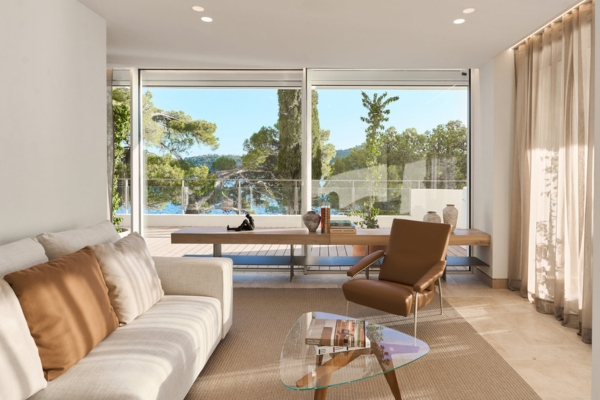
Positioned along the cliffs just beyond Dubrovnik’s Old Town, Villa Dubrovnik offers direct access to the Adriatic while keeping the city within easy reach. The architecture is intentionally restrained, allowing the water and surrounding landscape to take focus.
It works well for travelers who want to move between the energy of Dubrovnik and a more private, coastal setting.
Maslina Resort
Hvar, Croatia
Set within pine forest overlooking the sea, Maslina Resort reflects a more contemporary side of the Croatian coast. The design emphasizes natural materials and open space, with a pace that feels notably slower than Hvar Town itself.
It’s particularly appealing for those who want access to the island’s restaurants and boating scene, but not the constant activity.
Lesic Dimitri Palace
Korcula, Croatia
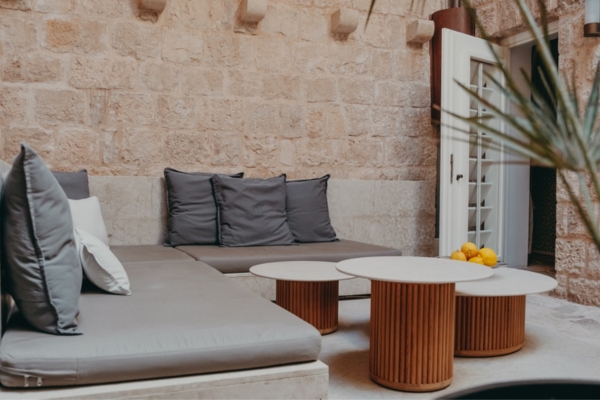
Located within the walls of Korcula’s Old Town, Lesic Dimitri Palace is built into the fabric of the destination. Each residence draws on different historical influences, creating a stay that feels specific to the region.
It’s well suited to travelers interested in history and architecture, where the setting itself is part of the experience.
Passalacqua
Lake Como, Italy
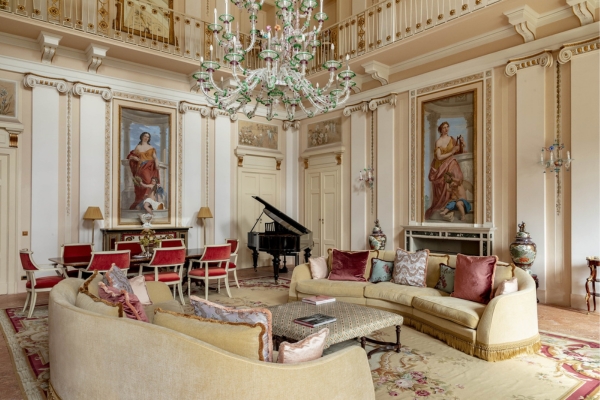
Set within a restored 18th-century villa, Passalacqua offers a more intimate alternative on Lake Como. The property itself boasts terraced gardens, lake access and a sense of privacy that contrasts with the busier parts of the region.
It lends itself to longer, slower days, often spent entirely on property rather than moving around the lake.
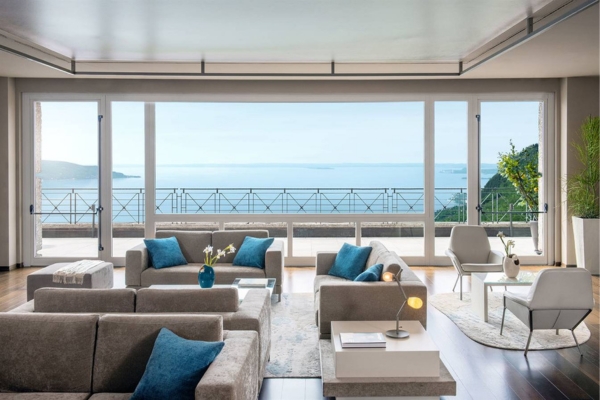
Lefay Resort & SPA Lago di Garda
Lake Garda, Italy
Overlooking Lake Garda from the hills above, Lefay Resort & SPA is defined by its setting and its focus on well-being. The design opens outward, with panoramic views and a quieter atmosphere than the more frequented areas below.
For travelers considering northern Italy in summer, it offers a more relaxed alternative to Lake Como without sacrificing scenery.
Grand Hotel Fasano
Lake Garda, Italy
Grand Hotel Fasano has long been part of Lake Garda’s shoreline, with gardens that lead directly to the water. The experience is shaped by its setting, where guests move between the lake, shaded terraces and unstructured time outdoors.
It appeals to those looking for a classic European lakeside stay, where the focus remains on the landscape rather than the scene.
How It All Comes Together
Across Europe, these are the stays that continue to set the standard — from historic hotels that have shaped their destinations to newer names that have quickly become part of that conversation.
In June and July, they come into their own with beautiful days, full cultural calendars and a pace that makes each place stand on its own.
A Global Travel Collection advisor ensures access to the right properties at the right time, with a plan that’s thoughtful from the outset. Reach out to your advisor to book your European sojourn.
Ready to go? These travel experts can help you plan a trip related to this article
- (4 Reviews)
Luxury Travel Enthusiast
Traverse City, MI
Virgin Islands,Portugal,Italy,Virgin Gorda,United Kingdom
(9 Reviews)Diana Castillo - Integra Travel
Luxury Travel Advisor
San Antonio, TX
France,Italy,Spain,Africa,Croatia
(35 Reviews)
Found 4 Stories

The World’s Most Exclusive Hideaways
A memorable escape begins with a little distance. Think along the lines of a beach reached only by boat, a villa set well apart from the next, a mou...Read More
Destination Spotlight: Lake Wakatipu, New Zealand
Lake Wakatipu makes an immediate impression. Framed by the Remarkables and the Southern Alps, its deep-blue water stretches through a landscape that...Read More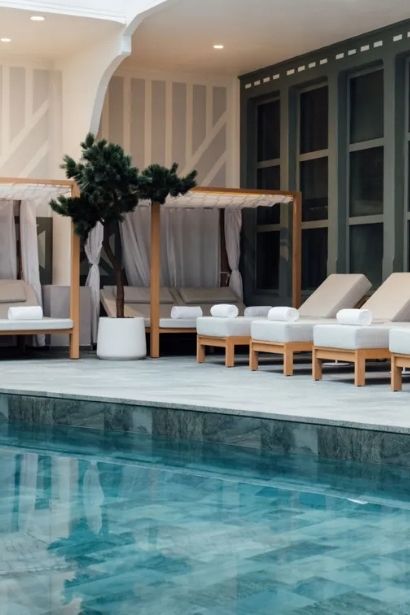
Experience France the Barriere Way
An exclusive journey across five iconic Barriere destinations. France reveals itself through places with a distinctive presence, where each destina...Read More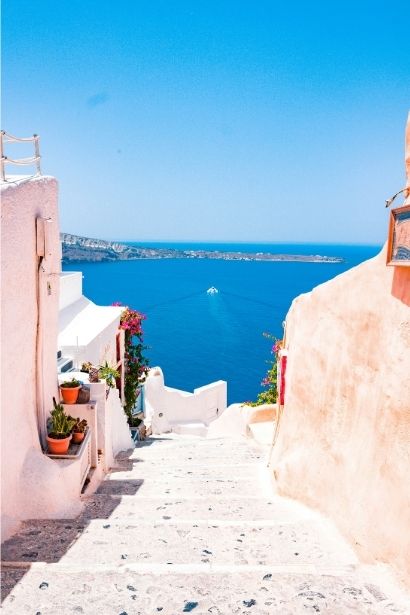
Destination Spotlight: Santorini in Summer
In July and August, Santorini settles into full season. The island is bright, active and unmistakable, with its whitewashed terraces and volcanic cl...Read More